
ThaiAmuletExchange.com
ThaiAmuletExchange
📜Ensiklopedia🧘Sami & Harga🏛️Katalog Siri🪷Arketaip & Wicha📿Koleksi Katha Pali🔯Geometri Yant📖Glosari teknikal
✓ Fact-Checked Reference Dossier20Primary & Secondary Sources13 min read · 2,767 wordsShowing English verified edition

Phayant (Thai Yant Cloths): Sacred Geometry and Khom Script

Executive Reference Summary

Guide to phayant (Thai yant cloths), covering cotton and silk fabrics inscribed with Khom script, magic squares, wartime lore, and temple consecrations.

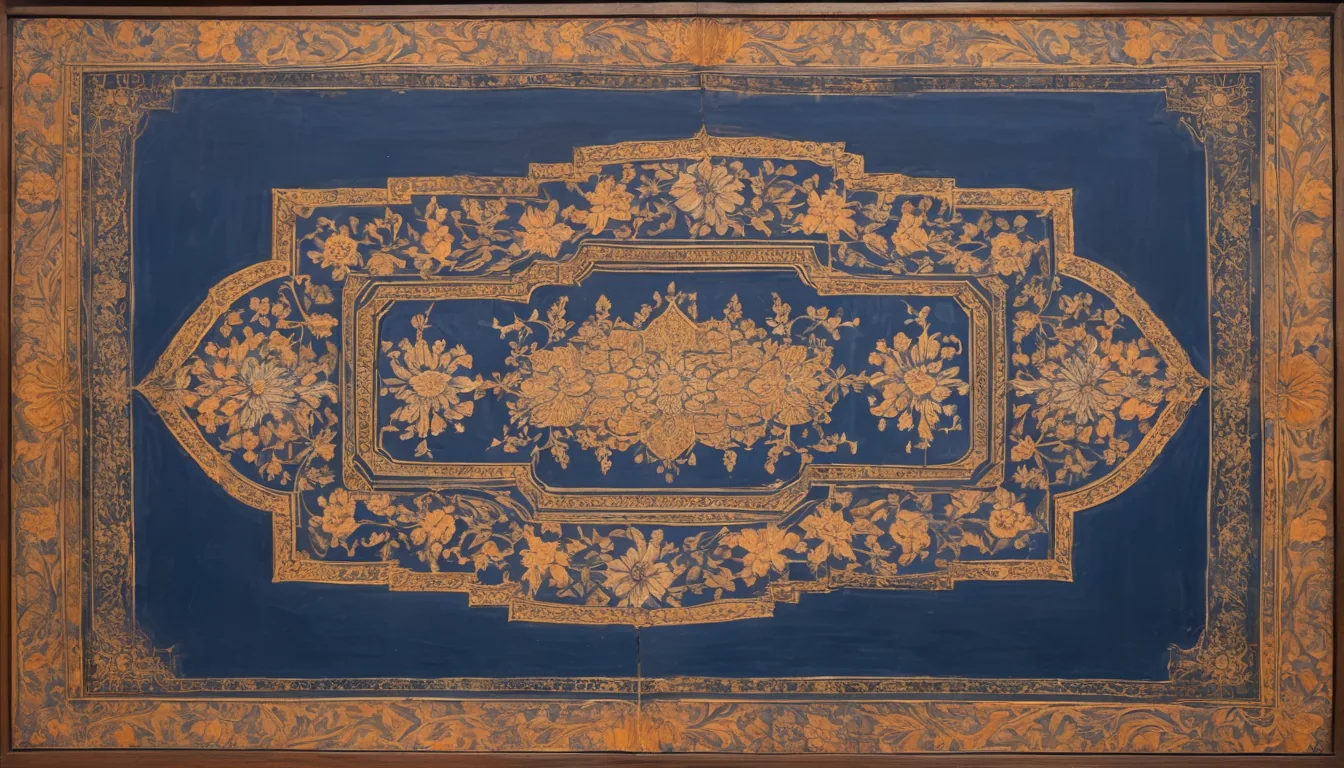
Illustration (AI-generated) of traditional Thai temple textiles and brass Geometry compasses on a teak desk. Not a depiction of any specific piece.
Plate I:Illustration (AI-generated) of traditional Thai temple textiles and brass Geometry compasses on a teak desk. Not a depiction of any specific piece.

Phayant (ผ้ายันต์, RTGS: pha yant), also romanised as pha yant or referred to in English as a yantra cloth, is a piece of cotton or silk fabric inscribed, stamped, or screen-printed with sacred geometric diagrams (yant), abbreviated Pali liturgical syllables, numerical grids, and mythological figures [1][2][7]. Used across Thailand and neighbouring Cambodia since at least the late Ayutthaya period, these consecrated textiles have been worn by warriors as headbands, armbands (pha prachiat), and vests (suea yant), or hung inside homes, shops, and monastery halls [1][2][8][18].

Overview and significance

In Thai lexicography, ผ้ายันต์ (pha yant) combines ผ้า (pha, cloth) with ยันต์ (yant, from Sanskrit yantra), denoting a textile bearing geometric lines, numerals, or sacred characters used in traditional protective and auspicious practices [6]. Closely related is pha prachiat (ผ้าประเจียด), which Thai dictionaries and the scholar Phya Anuman Rajadhon (1888-1969) describe as a handkerchief-sized or narrow rectangular cloth inscribed with yant that is folded to be tied around the head, neck, or arm, or carried inside a pocket or hat [11][17][19]. When the same repertoire of diagrams is expanded across a sleeveless vest or jacket so that multiple yant patterns cover the torso, the garment is called a suea yant (เสื้อยันต์, yantra shirt) [2][17].

Within Phya Anuman Rajadhon's fourfold classification of Thai khong khlang (ของขลัง, sacred or potent objects) published in the Journal of the Siam Society in 1964, phayant, pha prachiat, and suea yant belong to the third class, khrueang pluk-sek (เครื่องปลุกเสก, ritually consecrated artificial objects), alongside metallic takrut scrolls and woven palm-leaf phismon charms [17]. Whereas skin tattooing (sak yant) punctures the epidermis with a split-tip metal needle (เหล็กแหลม), Thailand's Fine Arts Department notes that textile phayant and suea yant developed as a painless, reproducible alternative [2][19]. Masters could draw or print yant matrices onto woven cloth, consecrate batches in one ceremony, and distribute them to soldiers, travellers, or householders [2].

Historians Chris Baker and Pasuk Phongpaichit observe in their study of the late-Ayutthaya epic Khun Chang Khun Phaen that yantra diagrams transfer the cultivated meditative power of an adept to another person, building, or object [18]. This portability allowed phayant to serve both as battlefield or travel wear (ผ้าประเจียด and เสื้อยันต์) and as architectural or domestic hangings (ผ้ายันต์แขวน) suspended from roof rafters, above infant cradles, or over shop doorways [1][17][18].

Historical background

Literary, archival, and museum records trace inscribed yantra cloths in Siam from early modern warfare through twentieth-century military mobilisations:

  1. Late Ayutthaya and Bang Rajan (1765-1767 CE / BE 2308-2310): In Khun Chang Khun Phaen, which originated around 1600 CE, warriors wear yantra shirts, bandanas, and cloth belts alongside rolled metal takrut [18]. Prince Damrong Rajanubhab's chronicle Thai Rop Phama (ไทยรบพม่า) records that before the fall of Ayutthaya in BE 2310 (1767 CE), Phra Ajarn Thammachot (พระอาจารย์ธรรมโชติ), originally of Wat Khao Nang Buat in Suphan Buri, resided at Wat Pho Kao Ton in Sing Buri and distributed consecrated pha prachiat cloths and takrut phismon to the defenders of Bang Rajan [8].
  2. Royal court wardrobes (ฉลององค์ลงราช): Phya Anuman Rajadhon documented that the Siamese royal wardrobe included court jackets inscribed with yantras, called chalong ong long ratcha (ฉลององค์ลงราช, "royal garment inscribed with raja / yantra"), tailored in seven colours matching the astrological colours of the seven days of the week [17].
  3. Lanna temple banners (c. 1803 CE / BE 2346): At Wat Ban Tom Klang in Mueang Phayao District, Phayao Province, the monastery preserves a framed Lanna phayant measuring 1.50 by 2.50 metres on the ceiling of its wihan [5][13]. According to the 26th abbot, Kruba Sak Sirimangkhalo, and 27th abbot, Phra Athikan Prayat Wachirathammo, the cloth was created around BE 2346 (1803 CE) by the first abbot, Kruba Phimsan (ครูบาพิมสาร), and handed down through twenty-six generations of abbots [5][13].
  4. The Franco-Thai War and World War II (1940-1945 CE / BE 2483-2488): Demand for phayant, pha prachiat, and suea yant surged during the Franco-Thai conflict (BE 2483-2484) and World War II [2][4][12]. Central-plains masters such as Luang Phor Jong Phutthassaro of Wat Na Tang Nok (Ayutthaya) and Wat Rai Khing (Nakhon Pathom) issued large batches of stamped yantra cloths and red vests for soldiers [2][4][12].
  5. Contemporary border distributions (2025 CE / BE 2568): On 9 August 2025, Daily News reported that Luang Phor Warah Punyawaro (หลวงพ่อวราห์ ปุญญวโร), abbot of Wat Pho Thong in Bangkok, donated 2,000 Run Bucha Khru phayant cloths and 2,000 Garuda medallions via Panadda Wongphudee for Thai troops along the Cambodian border [14].

Iconography and forms

The visual vocabulary of a Thai phayant combines geometric architecture, sacred paleography, mathematical grids, and figurative motifs, where each element encodes a liturgical formula (คาถา, katha) [3][7][9][18].

Component Thai Term Script / Form Traditional Role in Yantra Design
Frame lines Kraduk yant (กระดูกยันต์) Straight lines, polygons, lotus petals Structural skeleton enclosing chambers for letters and numerals [7][20]
Spiral crown Unalom (อุณาโลม) Conical coil tapering to a vertical tip Represents the Buddha's curl between the eyebrows (urna) and meditative focus [7][17]
Sacred script Akson Khom Thai / Tua Mueang Brahmi-derived abugida scripts Records abbreviated Pali hua jai ("heart") syllables and paritta verses [7][15][17]
Magic squares Chaturas kon (จัตุรัสกล) 3x3 to 9x9 numeral matrices Encodes Buddhist numerical virtues such as the 56 qualities of the Buddha [9][17]
Figurative motifs Rup phra / thep / sat Deities, Buddhas, mythical beasts Portrays guardians such as Thao Wessuwan, Garuda, Rahu, lions, or Nang Kwak [1][10][13]

Paleography: Khom Thai and Lanna Tua Mueang scripts

In Central and Southern Thailand, lettering inside a phayant is written in Khom Thai script (อักษรขอมไทย), a Brahmi-derived script adapted from Old Khmer used in Thailand and Laos since about 1400 CE for Pali, Sanskrit, and Thai scriptures, medical texts, and yantra diagrams [15][18]. Phya Anuman Rajadhon noted that because palm-leaf scriptures were historically inscribed in Khom characters, folk tradition treated the script as sacred, while numerals inside central Thai yantras were written in Thai digits [17]. Northern Lanna phayant instead use Tua Mueang (อักษรตัวเมือง) [3][11].

Masters condense Pali verses into hua jai (หัวใจ, "core of the heart" or seed syllables, analogous to Sanskrit hridaya and bija) using the initial syllable of each word [17][18]:

  • Ma A U (มะ อะ อุ) and Na Mo Phut Tha Ya (นะ โม พุท ธา ยะ): Representing the Triple Gem and the Five Buddhas of the fortunate aeon [7].
  • Na Cha Li Ti (นะ ชา ลี ติ): The four-syllable heart formula of Phra Sivali [7].
  • Itipiso Ruen Tia (อิติปิโสเรือนเตี้ย / ยันต์มงกุฎพระเจ้า): The "Crown of the Buddha" circular yantra recorded in a white samut khoi manuscript at Wat Tha Phut (Nakhon Pathom) as the personal pha prachiat yantra of fifth abbot Luang Phor Kaeo (abbot BE 2411-2453 / 1868-1910 CE), placing the syllable อิ (I) at the centre of four eight-syllable radial arms [20].

Mathematical magic squares (จัตุรัสกล) and the Trinisinghe grid

Phya Anuman Rajadhon documented the Yant Trinisinghe (ยันต์ตรีนิสิงเห), formed by two diagonally intersecting squares creating twelve chambers of Thai numerals (3, 7, 5 and 4, 6, 5) that sum to mystic constants, crowned by the unalom spiral [7][17].

Between 2011 and 2015, Dr. Atichart Kettapun (ดร.อติชาต เกตตะพันธุ์) of the Department of Mathematics at Chiang Mai University surveyed Lanna yantras across eleven northern provinces and showed that northern phayant use magic squares from 3x3 to 9x9 grids [9]. In Yant Phutthakhun 56 (ยันต์พุทธคุณ 56), a 4x4 grid uses the numbers 7 through 21 (with 14 repeated) so every row, column, diagonal, 2x2 corner cluster, and central cluster sums to 56, matching the 56 syllables of the Pali Itipiso Buddha-virtue chant [9]. Out of over 1.3 trillion random arrangements, only 1,064 permutations satisfy these rules, and in the Lanna layout the sum of the squares of the four corners equals that of the four central cells (882) [9].

Figurative layouts

Figurative phayant depict guardian deities such as Thao Wessuwan (ยันต์ท้าวเวสสุวรรณ), Phra Narai on Garuda above Phra Rahu, or Hanuman [1][10][17]; benevolence figures such as Nang Kwak (นางกวัก), paired salika birds, peacocks, or the twelve zodiac animals with the Naga and Kinnari on the 1803 CE Wat Ban Tom Klang cloth [1][13][16]; and footprint and handprint cloths (ผ้ายันต์รอยมือรอยเท้า) bearing a monk's inked palms and soles [4].

Materials and consecration

A study by Wannapha Pawino for the Fine Arts Department's National Library of Chiang Mai (citing S. Plainoi 1996 and Udom Rungrueangsri 2004) notes that traditional cloths used white, red, or black cotton or silk, especially pha bangsukun (ผ้าบังสุกุล, white funeral shroud cloth) boiled in herbal decoctions (น้ำว่าน): wan phet noi and wan phet yai for martial cloths, or wan saneh chan for goodwill (metta mahaniyom) cloths [1][2].

In Phayao, Phra Khru Palat Suwat Chariyakhun (พระครูปลัดสุวัฒนจริยคุณ), abbot of Wat Thammikaram (Wat Sop Kiang) and president of the Northern Local Museum Network, catalogued over 200 antique Lanna and Khom phayant with the Princess Maha Chakri Sirindhorn Anthropology Centre (SAC) [11]. Early northern cloths were drawn on unbleached cotton (ผ้าดิบ) using tree sap (ยางไม้), red lac (ครั่ง), and natural pigments [11]. The Fine Arts Department also records a northern ink mixed with five animal biles (ดีสัตว์ 5 ชนิด): black chicken, snake, turtle, cow, and tiger [2].

As Phya Anuman Rajadhon and Prince of Songkhla University's Southern Information archive note, making a phayant requires ritual instruction from a teacher [17][19]. At an auspicious hour (ฤกษ์ยาม) before the ordination hall altar (อุโบสถ), the master invokes the Triple Gem, Hindu gods, rishis, parents, and teachers, then holds his breath and recites the governing katha while drawing each line without lifting the stylus or pen [7][17][19]. At Wat Ban Tom Klang in Phayao, when 26th abbot Kruba Sak Sirimangkhalo copied the temple's 206-year-old phayant onto a 6.5 by 9.5 foot white cloth on Sunday, 16 July 2000 (BE 2543), the rite was performed during the full-moon lunar eclipse of Asalha Puja (วันเดือนดับ), incorporating the lineage of Kruba In To of Wat Bun Yuen via Kru Singkaew Yacharoen [5].

Notable temples, lineages, and editions

  • Luang Phor Jong Phutthassaro (หลวงพ่อจง พุทธสโร, 1872-1965 CE / BE 2415-2508), Wat Na Tang Nok, Ayutthaya: Born on 6 March 1872 in Bang Sai District, Luang Phor Jong consecrated red suea yant vests, handprint cloths, and the Phayant Sing Maha Amnat Bua 16 Dok (ผ้ายันต์สิงห์มหาอำนาจ บัว 16 ดอก, Mythical Lion with 16 Lotus Blossoms) during the Franco-Thai War (c. BE 2483-2485), inspiring the wartime "Ghost Soldiers" (ทหารผี) lore [4].
  • First-Edition Phayant Luang Phor Wat Rai Khing (BE 2483 / 1940 CE), Nakhon Pathom: Issued under sixth abbot Phra Khru Mongkhon Wilat (Luang Phor Choei Kittisaro, 1884-1957 CE), this white cotton cloth shows Luang Phor Wat Rai Khing above a seated Phra Khwam Bodi (Phra Pidta) and Khom Thai grids dated BE 2483 [12].
  • Luang Phor Ruesi Ling Dam (หลวงพ่อฤๅษีลิงดำ), Wat Tha Sung, Uthai Thani: Known for the Phayant Maha Phichai Songkhram (ผ้ายันต์มหาพิชัยสงคราม), printed on an 8 by 11 inch Thai national flag [6].
  • Somdet Thongchai (สมเด็จธงชัย), Wat Traimit, Bangkok: Known for the Phayant Thongchai Nawahorakhun and the March 2024 60th-anniversary Daily News phayant depicting Phra Narai on Garuda over Phra Rahu surrounded by five classical yantras (Yant Thongchai Nawahorakhun, Yant Phaya Ka Nam & Phaya Kai Thuean, Yant Solot, Yant Kro Phet Phutthachao, and Yant Suriyaprapha-Chantharaprapha) [10].

Cultural context and devotional practice

In Thai and Khmer households, phayant are displayed above head height [1][17]. Families tie consecrated cloths to the main pillar and roof beams during house-building rites (พิธีขึ้นเสาเอก) [1]. Phya Anuman Rajadhon recorded that families strung Yant Trinisinghe cloths around the postpartum room where a mother lay by the fire (อยู่ไฟ) against phi krasue spirits, and hung a Yant Thao Wessuwan cloth over a newborn's cradle [17].

In Lanna, the Fine Arts Department cites Wilak Sripasang (2015) on the Yant Ka Sathon (ยันต์กาสะท้อน), hung in northern homes under the belief that it reflects sorcery back toward its sender [2]. In urban shops, framed cloths of Nang Kwak, Luang Phor Koon, or Thao Kuwen face the doorway [1]. Research by Phansa Khrueakhlai and Noppadon Inchan at Srinakharinwirot University (2022) notes that Generation Y consumers also engage with Thai yantra graphics, grouped into tiger (maha ut) and paired salika bird (mahaniyom) motifs, through modern lifestyle textiles [16].

Collector considerations and authenticity

Specialists and curators examine four markers when evaluating an older phayant [4][11][12]:

  • Weave and fibre ageing: Pre-1950 cloths such as the BE 2483 Wat Rai Khing edition or Lanna pha dip pieces show uneven plain-weave cotton threads and natural cellulose oxidation rather than synthetic blends [11][12].
  • Ink penetration: Hand-drawn cloths inscribed with tree sap, lac (ครั่ง), or mineral-and-bile ink display variable line pressure and capillary bleed into the cotton fibres [2][11].
  • Print registration: Early woodblock or metal-plate temple stamps exhibit ink pooling at line intersections and period Khom Thai orthography [4][12].
  • Provenance: As Phra Khru Palat Suwat Chariyakhun observed in Phayao, many antique cloths were lost when younger heirs could not read Lanna Tua Mueang or Khom scripts, making documented provenance critical [11].

Where to see pieces like this: Our sister shop, Shogun X Amulets, maintains a catalogue of phayant and Thai yant cloths on ShogunX. Disclosure: Shogun X Amulets and ThaiAmuletExchange.com are operated by the same group.

Reference Q&A · Direct Answer Capsules

Common Questions

Q01

What is a phayant (Thai yant cloth)?

A phayant (`ผ้ายันต์`), also spelled *pha yant*, is a traditional Thai or Khmer rectangular cloth of cotton or silk inscribed, woodblock-stamped, or screen-printed with sacred geometric diagrams (*yant*), abbreviated Pali formulas in Khom or Lanna script, magic squares, and deity or animal figures [1][2][7]. Consecrated by Buddhist monks or lay masters, it is carried for personal protection or hung in homes and businesses [1][17].

Q02

How does a phayant differ from a pha prachiat or suea yant?

All three belong to the same family of yantra-inscribed textiles classified by Phya Anuman Rajadhon under *khrueang pluk-sek* [17]. A *pha prachiat* (`ผ้าประเจียด`) is typically a handkerchief-sized cloth or narrow band folded and tied around the head, neck, or arm [11][17][19]. A *suea yant* (`เสื้อยันต์`) is a tailored vest or jacket covered with multiple diagrams, while *phayant* also includes larger hanging cloths [2][17].

Q03

Why are Khom script and numbers used on Thai yant cloths?

Central Thai phayant traditionally use Khom Thai script (`อักษรขอมไทย`), an abugida adapted from Old Khmer since about 1400 CE for Pali scriptures and ritual manuals [15][17][18]. Masters condense long Pali chants into *hua jai* ("heart") initial syllables so they fit inside geometric chambers [17][18]. Accompanying numerals form mathematical magic squares (`จัตุรัสกล`) that encode Buddhist numerical virtues, such as the 56 qualities of the Buddha [9][17].

Q04

What is the mathematics behind Lanna phayant magic squares?

Research led by Dr. Atichart Kettapun at Chiang Mai University across eleven northern provinces showed that Lanna phayant use magic squares from 3x3 to 9x9 grids [9]. In *Yant Phutthakhun 56*, sixteen numbers from 7 to 21 (with 14 repeated) are arranged in a 4x4 grid so every row, column, diagonal, corner group, and centre group sums to 56, representing the Buddha's 56 virtues [9].

Q05

When were phayant and suea yant worn by Thai soldiers?

Literary and historical sources trace battle cloths from the late-Ayutthaya epic *Khun Chang Khun Phaen* and Phra Ajarn Thammachot's distribution of *pha prachiat* at Bang Rajan before 1767 CE to the Franco-Thai Indochina War (1940-1941 CE) and World War II [2][8][18]. During the 1940s, masters such as Luang Phor Jong of Wat Na Tang Nok consecrated red yantra shirts and lion cloths for troops [4].

Q06

How were phayant traditionally hung inside Thai households?

Phya Anuman Rajadhon recorded that hanging yantras were suspended inside homes to guard against unseen spirits (*phi*) [17]. Families hung a *Yant Thao Wessuwan* cloth above a newborn baby's cradle and strung *Yant Trinisinghe* cloths around the postpartum room where a mother lay by the fire [17]. Consecrated cloths are also tied to roof beams during house-raising rites or framed inside shops [1].

Q07

How do collectors examine an antique phayant for age and authenticity?

Collectors and museum curators inspect the textile weave, dye, and ink integration [11][12]. Pre-mid-twentieth-century cloths use hand-spun or early plain-weave unbleached cotton (`ผ้าดิบ`) or silk dyed with herbal decoctions (`น้ำว่าน`) or lac (`ครั่ง`), showing natural fibre oxidation [2][11]. Hand-drawn lines or early woodblock stamps penetrate the cotton fibres unevenly, unlike modern synthetic fabrics printed with flat digital or commercial plastisol inks [11][12].

Verified Sources (20)

  1. Wikipedia, "Yantra cloth" (encyclopedic article, accessed 2026-10-21 — Definition of yantra cloth (pha yant) as red, black, or white cotton/silk fabric inscribed with yantra diagrams in Thailand and Cambodia; wearable shirts/jackets for fighters and hanging cloths for house beams, cradles, and businesses; dedications to Nang Kwak, Thao Kuwen, and Luang Phor Koon.
  2. Wannapha Pawino (วรรณภา ปาวีโน), National Library of Chiang Mai, Fine Arts Department of Thailand, "เสื้อยันต์" (official museum/archival article, accessed 2026-10-21 — Evolution from painful/slow skin tattooing (sak yant) to suea yant and phayant/pha prachiat headbands and armbands; surge during World War II; use of white, red, or black cotton/silk and funeral shroud cloth (pha bangsukun) boiled in herbal decoctions (wan phet noi, wan phet yai, wan saneh chan); ink mixed with five animal biles (black chicken, snake, turtle, cow, tiger); Trinisinghe, Piyo, and Lanna Ka Sathon yantras (citing S. Plainoi 1996, Udom Rungrueangsri 2004, and Wilak Sripasang 2015).
  3. Thairath Plus, "ผ้ายันต์: ความขลังของงานกราฟิกที่ผสานความเชื่อและพุทธคุณ" (feature article, 12 Apr 2026, accessed 2026-10-21 — Graphic composition of phayant combining sacred geometry, Khmer (Khom) and Lanna scripts, animal/deity figures, and Buddhist virtues as psychological anchors in Thai culture.
  4. Kom Chad Luek, "เปิดตำนาน 'ผ้ายันต์สิงห์มหาอำนาจ' หลวงพ่อจง วัดหน้าต่างนอก ยุคสงครามอินโดจีน" (news/historical feature, 7 Jul 2022, accessed 2026-10-21 — Biography of Luang Phor Jong Phutthassaro of Wat Na Tang Nok, Bang Sai District, Ayutthaya (born 6 Mar 1872 / BE 2415, died BE 2508); creation of red suea yant, handprint/footprint cloths, and Phayant Sing Maha Amnat Bua 16 Dok during the Franco-Thai Indochina War (c. BE 2483-2485); "Ghost Soldiers" (thahan phi) wartime lore.
  5. MGR Online, "ฮือฮา! ผ้ายันต์ล้านนาอายุกว่า 200 ปี วัดต๋อมกลาง จ.พะเยา" (news report, 22 Jul 2009, accessed 2026-10-21 — Preservation of a 206-year-old Lanna phayant (1.50 x 2.50 m, c. BE 2346 / 1803 CE) framed on the wihan ceiling of Wat Ban Tom Klang, Mueang Phayao, handed down from 1st abbot Kruba Phimsan to 26th abbot Kruba Sak Sirimangkhalo and 27th abbot Phra Athikan Prayat Wachirathammo; reproduction onto a 6.5 x 9.5 ft white cloth during the full-moon lunar eclipse of Asalha Puja on Sunday, 16 July 2000 (BE 2543), incorporating the lineage of Kruba In To of Wat Bun Yuen via Kru Singkaew Yacharoen.
  6. Thai Wiktionary, "ผ้ายันต์" (dictionary entry, accessed 2026-10-21; also cross-checked with Daily News 24 Aug 2024 report https://www.dailynews.co.th/articles/3781978/ on Luang Phor Ruesi Ling Dam's 8 x 11 inch Thai-flag Phayant Maha Phichai Songkhram — Thai orthography ผ้ายันต์ (pha yant), compound of ผ้า (cloth) + ยันต์ (yantra), defined as a cloth inscribed with yantra lines and characters, plus dimensions and name of Luang Phor Ruesi Ling Dam's Phayant Maha Phichai Songkhram.
  7. Thairath Online, "เปิดความหมาย 'เลขยันต์ไทย' และอักขระขอมโบราณ" (cultural feature, 7 Apr 2026, accessed 2026-10-21 — Anatomy of Thai yantras including kraduk yant frame lines, unalom spiral crown, Khom Thai heart syllables (Ma A U, Na Mo Phut Tha Ya, Na Cha Li Ti), breath control and katha recitation during line drawing, and Trinisinghe grid structure.
  8. Kom Chad Luek, "เปิดบันทึกประวัติศาสตร์ 'พระอาจารย์ธรรมโชติ' วัดโพธิ์เก้าต้น กับเครื่องรางค่ายบางระจัน" (historical feature, 13 Jun 2020, accessed 2026-10-21 — Account of Phra Ajarn Thammachot of Wat Khao Nang Buat (Suphan Buri) residing at Wat Pho Kao Ton (Sing Buri) and distributing pha prachiat cloths and takrut phismon to Bang Rajan villagers prior to the fall of Ayutthaya in BE 2310 (1767 CE), citing Prince Damrong Rajanubhab's Thai Rop Phama.
  9. MGR Online, "นักคณิตศาสตร์ มช. ถอดรหัส 'ยันต์ล้านนา' พบความมหัศจรรย์จัตุรัสกล" (science report, 30 Nov 2015, accessed 2026-10-21 — Four-year research project (2011-2015) by Dr. Atichart Kettapun, Department of Mathematics, Chiang Mai University, across 11 Lanna provinces showing 3x3 to 9x9 magic squares (chaturas kon) in Lanna yantras; mathematical analysis of Yant Phutthakhun 56 (4x4 grid of numbers 7-21 with 14 repeated summing to 56 across rows, columns, diagonals, corners, and centre; 1,064 magic square permutations out of >1.3 trillion arrangements; sum of squares of corners = sum of squares of centre = 882).
  10. Daily News, "สมเด็จธงชัย อธิษฐานจิตผ้ายันต์ครบรอบ 60 ปี เดลินิวส์" (news report, 27 Mar 2024, accessed 2026-10-21 — Consecration by Somdet Phra Maharatchamongkhonmuni (Somdet Thongchai) of Wat Traimit of the 60th-anniversary Daily News phayant depicting Phra Narai riding Garuda over Phra Rahu surrounded by Yant Thongchai Nawahorakhun, Yant Phaya Ka Nam & Phaya Kai Thuean, Yant Solot, Yant Kro Phet Phutthachao, and Yant Suriyaprapha-Chantharaprapha.
  11. Thairath Online, "พระนักอนุรักษ์เมืองพะเยา สะสมผ้ายันต์โบราณล้านนากว่า 200 ผืน" (news report, 4 Jun 2018, accessed 2026-10-21; also cross-checked with Thai Wiktionary "ผ้าประเจียด" https://th.wiktionary.org/wiki/%E0%B8%9C%E0%B9%89%E0%B8%B2%E0%B8%9B%E0%B8%A3%E0%B8%B0%E0%B9%80%E0%B8%88%E0%B8%B5%E0%B8%A2%E0%B8%94 — Phra Khru Palat Suwat Chariyakhun, abbot of Wat Thammikaram (Wat Sop Kiang), Pong District, Phayao, and president of the Northern Local Museum Network, collecting over 200 antique Lanna Tua Mueang and Khom phayant with SAC support; fabrication on unbleached cotton (pha dip) using tree sap (yang mai), lac (khrang), and natural red/green pigments; loss of heirlooms when younger heirs could not read Lanna/Khom scripts.
  12. Kom Chad Luek, "ผ้ายันต์หลวงพ่อวัดไร่ขิง รุ่นแรก ปี พ.ศ. 2483" (collector column, 8 Dec 2019, accessed 2026-10-21 — First-edition Phayant Luang Phor Wat Rai Khing dated BE 2483 (1940 CE) in Sam Phran District, Nakhon Pathom, issued under 6th abbot Phra Khru Mongkhon Wilat (Luang Phor Choei Kittisaro, 1884-1957 CE), showing the Maravijaya Buddha image above Phra Khwam Bodi (Phra Pidta) and Khom Thai yantra grids.
  13. MGR Online, "พบผ้ายันต์โบราณอายุกว่า 200 ปี ที่วัดต๋อมกลาง พะเยา" (news report, 20 Jul 2009, accessed 2026-10-21 — Iconographic details of the 1.50 x 2.50 m Wat Tom Klang Lanna phayant depicting Naga, Kinnari, Rahu swallowing the moon, peacock, lion, Nang Kwak, and the 12 zodiac animals.
  14. Daily News, "'หลวงพ่อวราห์' มอบผ้ายันต์-เหรียญครุฑ 4,000 ชิ้น ขวัญกำลังใจทหารชายแดน" (news report, 9 Aug 2025, accessed 2026-10-21 — Donation by Luang Phor Warah Punyawaro, abbot of Wat Pho Thong (Bangkok), of 2,000 Run Bucha Khru phayant cloths and 2,000 Garuda medallions via Panadda Wongphudee for Thai border troops.
  15. Thai Wikipedia, "อักษรขอมไทย" (encyclopedic article citing Virunhaphol 2017 and Igunma 2013, accessed 2026-10-21 — History of Khom Thai script as a Brahmi-derived system descended from Old Khmer used from c. 1400 CE to the present in Thailand and Laos to write Pali, Sanskrit, and Thai scriptures, medical texts, incantations, and yantra diagrams.
  16. Phansa Khrueakhlai and Noppadon Inchan, "การออกแบบและพัฒนาผลิตภัณฑ์จากลายสักยันต์ไทย สำหรับกลุ่มคนเจเนอเรชั่นวาย," *Journal of Interdisciplinary Social Sciences and Communication* 5(1), 2022, pp. 72-81 (academic journal article, accessed 2026-10-21 — Classification of Thai yantra designs into maha ut (represented by tiger motifs) and mahaniyom (represented by paired salika bird motifs) and their adaptation into modern textile products for Generation Y consumers.
  17. Phya Anuman Rajadhon, "Thai Charms and Amulets," *Journal of the Siam Society* 52(2), 1964, pp. 171-197 (peer-reviewed academic article, accessed 2026-10-21 — Classification of khong khlang and khrueang pluk-sek (pp. 171-172, 178); Khom letters used for abbreviated hua jai ("core of the heart") formulas and Thai numerals for numbers (pp. 177-178); pha prachiat size, wearing as neckband/armband or kept in coat pocket/hat, invocation of Triple Gem, Hindu gods, rishis, parents, and teachers, breath-holding and unbroken line drawing (pp. 182-184); hanging Yant Thao Wessuwan over infant cradles and Yant Trinisinghe square grid with unalom spiral hung around the postpartum fire room against phi krasue (pp. 184-185); suea yant jacket and royal chalong ong long ratcha jackets in seven day-of-the-week colours (pp. 185-186).
  18. Chris Baker and Pasuk Phongpaichit, "Protection and Power in Siam: From *Khun Chang Khun Phaen* to the Buddha Amulet," *Southeast Asian Studies* 2(2), August 2013, pp. 215-242, Kyoto University (peer-reviewed academic article, accessed 2026-10-21 — Origin and dating of Khun Chang Khun Phaen (pp. 216-217); yantra diagrams combining geometric shapes, Hindu/Buddhist/Himaphan figures, fierce animals, and abbreviated Pali formulas and numerals in Khom script (pp. 226-227); yantras as media transferring an adept's power via wearable shirts, bandanas, belts, and rings (p. 228).
  19. Khunying Long Athakravisunthorn Learning Resources Center, Prince of Songkhla University, "ความเชื่อเกี่ยวกับไสยศาสตร์" (university regional database, 5 Apr 2023, accessed 2026-10-21 — Tattooing tools (split-tip metal needle lek laem); yantra inscription requirements (auspicious place such as in front of the ubosot altar, astrological timing roek yam); pha prachiat and suea yant forms on white, red, or yellow rectangular or square cloth depicting Buddhas, deities, giants, monkeys, tigers, and lions.
  20. Dokrak Phayaksri (ดอกรัก พยัคศรี), Princess Maha Chakri Sirindhorn Anthropology Centre (SAC), "ยันต์มงกุฏพระเจ้า วัดท่าพูด" (archival manuscript study, accessed 2026-10-21 — White samut khoi folding manuscript at Wat Tha Phut, Rai Khing Subdistrict, Sam Phran District, Nakhon Pathom, recording the circular Yant Mongkut Phra Chao (Itipiso Ruen Tia) of 5th abbot Luang Phor Kaeo (abbot BE 2411-2453) specifically designated for inscribing pha prachiat cloths, with central syllable "I" and four eight-syllable radial arms.
Cross-Referenced Dossiers

How this article was checked

Each factual statement was traced to one of the independent sources above before publication: 31 statements checked. 0claims from the topic's starting material could not be verified and were left out, and 1 claims that an object brings luck, protection or other outcomes were removed — this encyclopedia describes objects, not outcomes.